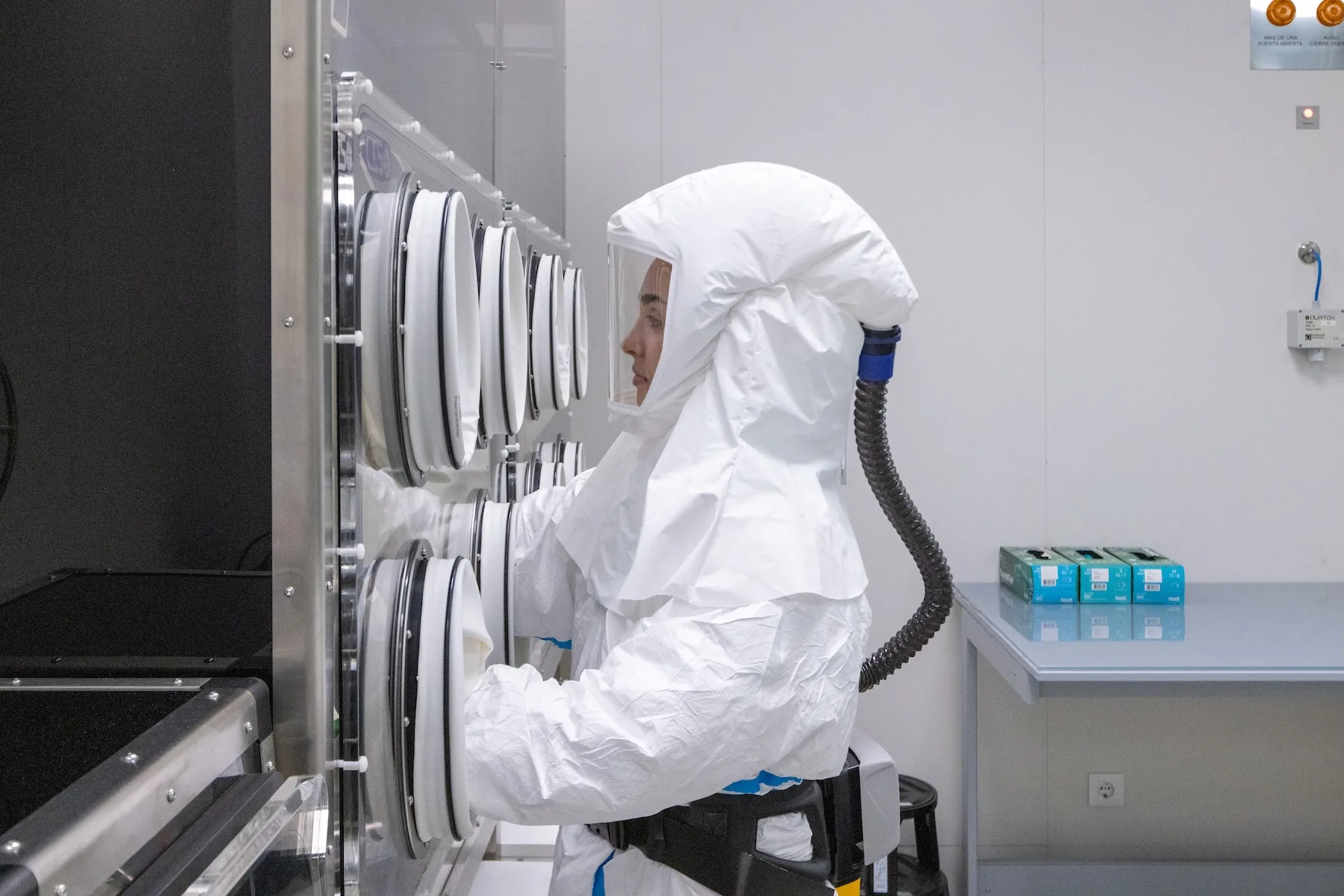

As biopharmaceutical innovation moves deeper into the realm of precision medicine, Highly Potent Active Pharmaceutical Ingredients (HPAPIs) have become central to some of the most promising treatments in development today. Their clinical value is undeniable: capable of achieving therapeutic effects at extremely low doses, sometimes as little as one milligram per kilogram, they enable targeted therapies for oncology, immunology, and rare diseases that minimize systemic exposure while maximizing efficacy. Yet the very potency that makes them attractive also makes them exceptionally complex to manufacture.
HPAPI production is constrained not merely by chemical synthesis but by engineering design, occupational safety requirements, and regulatory expectations that exceed those of conventional small-molecule APIs. The threshold for exposure, often below 0.1 μg/m³, means that airborne particles invisible to the eye can pose significant risks to operators. Facilities capable of working at this level must operate under OEB5 conditions, integrating advanced containment systems to protect workers, the environment, and the product itself.
A Distributed Manufacturing Model Takes Shape
To meet these demands, the industry is shifting toward purpose-built facilities, calibrated to a specific stage in the HPAPI lifecycle. Early-stage R&D centers focus on gram-scale synthesis in highly controlled laboratory environments. Kilolabs then bridge the gap between discovery and clinical supply, providing controlled, cGMP-compliant settings where processes can be safely scaled to kilogram quantities.
Further downstream, commercial manufacturing bays deploy reactors capable of operating at large scale while maintaining the same containment rigor required for high-potency compounds. These plants rely on integrated analytical laboratories equipped for method development, impurity profiling, and stability studies that meet global regulatory expectations. The result must be a coordinated ecosystem where safety and consistency are preserved across every stage of development.
Engineering Safety at the Microscopic Level
The complexity of HPAPI production is most evident in its containment strategies. Facilities handling these compounds rely on layered protection systems that combine isolators, closed powder transfer technologies, HEPA-filtered air management, and controlled pressure differentials. The design intent is absolute: prevent operator exposure and ensure product integrity.
Environmental controls provide continuous monitoring of pressure, airflow, and particulate levels, while personnel follow strict gowning protocols and move through segregated airlocks to minimize contamination risks. Waste handling systems, often equipped with dedicated neutralization and disposal pathways, reflect the heightened precautions required for materials active at microgram doses. Validation activities, ranging from airflow visualization to surrogate testing, ensure that containment performs as intended during routine operations.
Quality as a Strategic Imperative
While engineering controls are foundational, HPAPI manufacturing ultimately depends on a robust quality framework. Quality by Design methodologies, digital process monitoring tools, and rigorous documentation practices ensure that processes remain stable and reproducible as they scale. Regulatory alignment spans global frameworks, including expectations from the FDA, EMA, PMDA, and WHO, making compliance both a scientific and operational priority.
Analytical teams support this structure through method development, stress testing, impurity profiling, and stability studies designed to validate process robustness. In an industry where the therapeutic index is narrow and the margin for error is small, this level of quality governance is essential.
Looking Ahead: Infrastructure for the Next Generation of Therapies
The rising prominence of HPAPIs is reshaping the design of new pharmaceutical facilities. Companies are reserving space for future OEB5 expansions, pre-installing utilities for new containment technologies, and incorporating energy-efficient features that support long-term sustainability. As pipelines continue to shift toward highly potent compounds, manufacturing agility, once a differentiator, is quickly becoming a necessity.
HPAPIs are far more than another category of APIs. They embody the convergence of chemistry, biosafety engineering, regulatory science, and industrial design. Their ascent marks a broader shift toward therapies that are more targeted, more individualized, and more biologically sophisticated. And as the sector continues to refine its infrastructure and capabilities, HPAPI manufacturing is poised to become one of the most strategically important pillars of modern drug development.